
English Springer Spaniel Insurance Guide: Health Risks, Cover Types and Costs
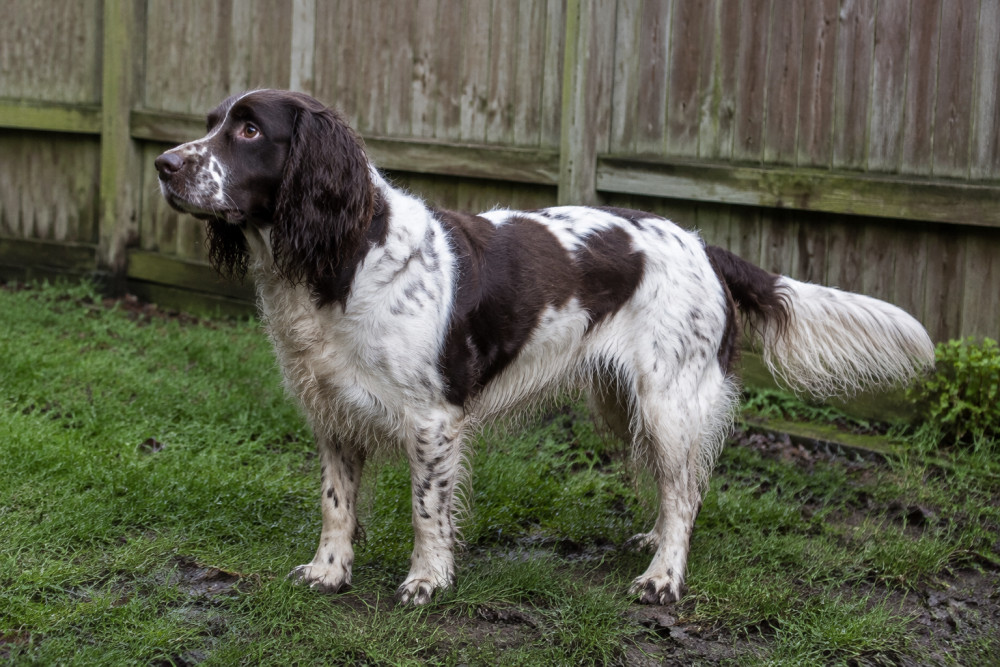
Choosing English Springer Spaniel insurance involves more than comparing a headline limit. Owners need to consider when cover starts, whether a switch creates a new waiting period, how long one condition remains eligible, how annual capacity renews and what contribution is due on a claim.
Recurring ear infections are commonly encountered in spaniels with drop ears, where trapped warmth and moisture are often identified as contributors. Most individual episodes resolve after routine treatment, commonly ear drops and a veterinary check. This association supplies no incidence figure and does not predict an individual English Springer Spaniel's health. It does, however, offer a useful example of how a condition may recur across appointments or policy years.
Arrange cover before illness begins
Insurance timing begins with signs, not only the eventual diagnostic label. Signs present before a new policy starts can make a condition pre-existing, and that treatment can also extend to connected problems. Excluding pre-existing conditions is standard across pet insurance. Delaying diagnosis does not move the earlier signs.
A genuinely new condition that begins after the applicable waiting period can qualify, subject to the remaining terms and claim assessment. A policy start date is not always the active-cover date because providers set different initial waits and scopes.
For recurring ear treatment under lifetime cover, continued eligibility can be possible when the first signs arose after the initial waiting period, treatment is eligible and the policy renews without interruption. Earlier signs can change the outcome even if the diagnosis came later.
Check the rules before switching
A waiting-period concession can help a symptom-free switcher avoid a new gap in protection, but it does not make earlier ear trouble new. Sainsbury's Money waives its initial exclusion periods for a qualifying switch with no break in insurance. Napo removes its ordinary wait for a no-gap transfer and requires proof. Neither arrangement removes the pre-existing-condition exclusion.
ManyPets removes its ordinary initial wait when an owner proves 12 months of continuous, gap-free prior insurance. An existing or connected condition remains subject to the pre-existing rule. All three concessions depend on uninterrupted prior cover.
Waggel's policy wording and FAQ provide no switcher waiver. Its 14-day initial wait still applies and includes accidents. That timing does not diagnose an ear problem or decide whether it is connected to earlier signs.
Compare how different cover structures run out
Policy structures stop paying at different points. Animal Friends maximum-benefit plans set one fixed maximum for each condition, with tier-dependent amounts of £1,000, £2,000 or £4,000. Renewal does not refill that condition pot. Claims in different years keep reducing the same original maximum, so earlier treatment leaves less for later care.
Under uninterrupted lifetime cover, eligible treatment in a later policy year is assessed against that year's renewed allowance. Waggel is one lifetime example. An eligible condition can remain covered across continuous renewals, and the selected vet-fee allowance returns to its full amount each policy year. This is renewable annual capacity, not unlimited cover.
Petplan Essential is time-limited. It provides £3,000 in total for one condition during a single 12-month period beginning when treatment starts. When that period closes, cover for the condition ends permanently and no remaining benefit carries beyond the clock. Time-limited, maximum-benefit and lifetime structures therefore run out by time, by one condition maximum or by each year's allowance.
Plan annual capacity around treatment costs
Outside a surgical year, recurring ear care is estimated in 2026 at several hundred pounds and sometimes more than £1,000. This is an estimate of veterinary charges, not a tariff, quote, policy promise or guaranteed claim amount. No reliable published price is available here for ear-canal surgery.
If long-running or severe ear disease progresses towards ear-canal surgery, the veterinarian decides whether surgery is recommended for that dog. Insurance cover depends on the procedure being eligible and medically necessary. Payment remains subject to the applicable annual or per-condition maximum rather than being decided by clinical recommendation alone.
Waggel lets an owner select yearly vet-fee cover between £1,000 and £15,000. The selected allowance replenishes in full at renewal, so eligible later treatment can be considered against the new policy year's pot when continuity is maintained. The choice still needs to allow for other eligible veterinary costs during the same year.
Renewal restores the selected allowance but does not freeze the premium. Age, inflation and claims history can each affect the renewal price. Lifetime insurance therefore offers a renewed annual limit without guaranteeing unchanged premiums or future claim payment.
Calculate the contribution due on claims
Repeated appointments do not necessarily mean repeated fixed excesses. Waggel lets the owner choose £0 to £500 and applies that fixed excess separately to each condition, once for that condition in each policy year. Further treatment for the same condition during that year does not create another fixed excess, but a separate condition can. If eligible treatment continues across renewal, the per-condition excess can apply again in the new policy year.
That charging rule does not make every visit payable. Treatment must still satisfy the policy and fit within the remaining limit. Veterinary checks and ear drops are common management examples, not instructions to owners, and no preventive method, frequency or outcome is stated for an individual dog.
Choose cover for both the first claim and later years
Before signs exist, the start date and waiting period shape possible future eligibility. When switching, uninterrupted prior cover may affect whether a new waiting period is waived, but it does not erase a pre-existing condition. Once an eligible condition is being treated, the policy structure, available allowance, renewal rule and excess determine how cover may continue.
These provider rules reflect the August 2026 position and can change. Check current wording before buying or switching. Prevention, diagnosis, urgency and treatment remain decisions for the veterinary team.
New congleton Jobs Section Launched!!
Vacancies updated hourly!!
Click here: congleton jobs
Share: